Introduction: Why Sitting Doesn’t Have to Hurt
If you’re reading this, chances are you’ve experienced that nagging discomfort after sitting for too long. Maybe it’s a sharp pain in your tailbone, a dull ache in your lower back, or the tingling sensation of sciatica radiating down your leg. You’re not alone. According to recent studies, over 80% of adults experience some form of sitting-related discomfort, and prolonged sitting has been linked to chronic pain conditions that affect quality of life and productivity.
The solution isn’t to avoid sitting altogether—that’s nearly impossible in our modern world of desk jobs, long commutes, and screen-based entertainment. Instead, the answer lies in transforming how you sit. Enter the orthopedic seat cushion: a simple yet revolutionary tool designed to redistribute pressure, support proper spinal alignment, and provide lasting relief from some of the most common sitting-related ailments.
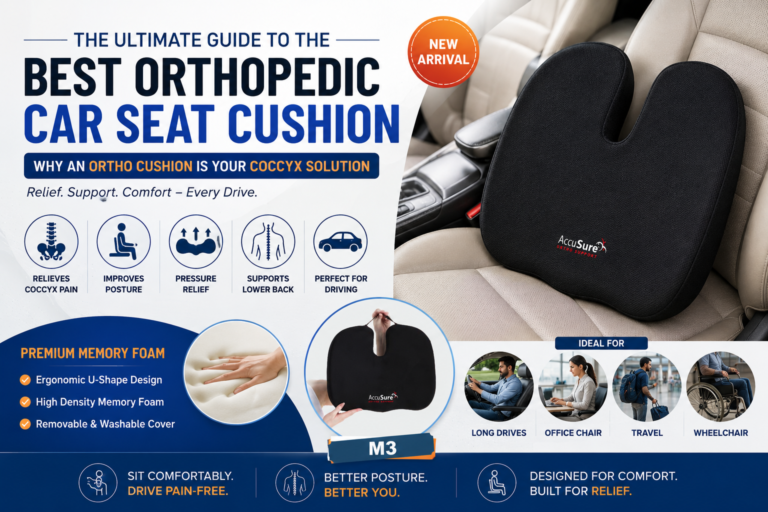
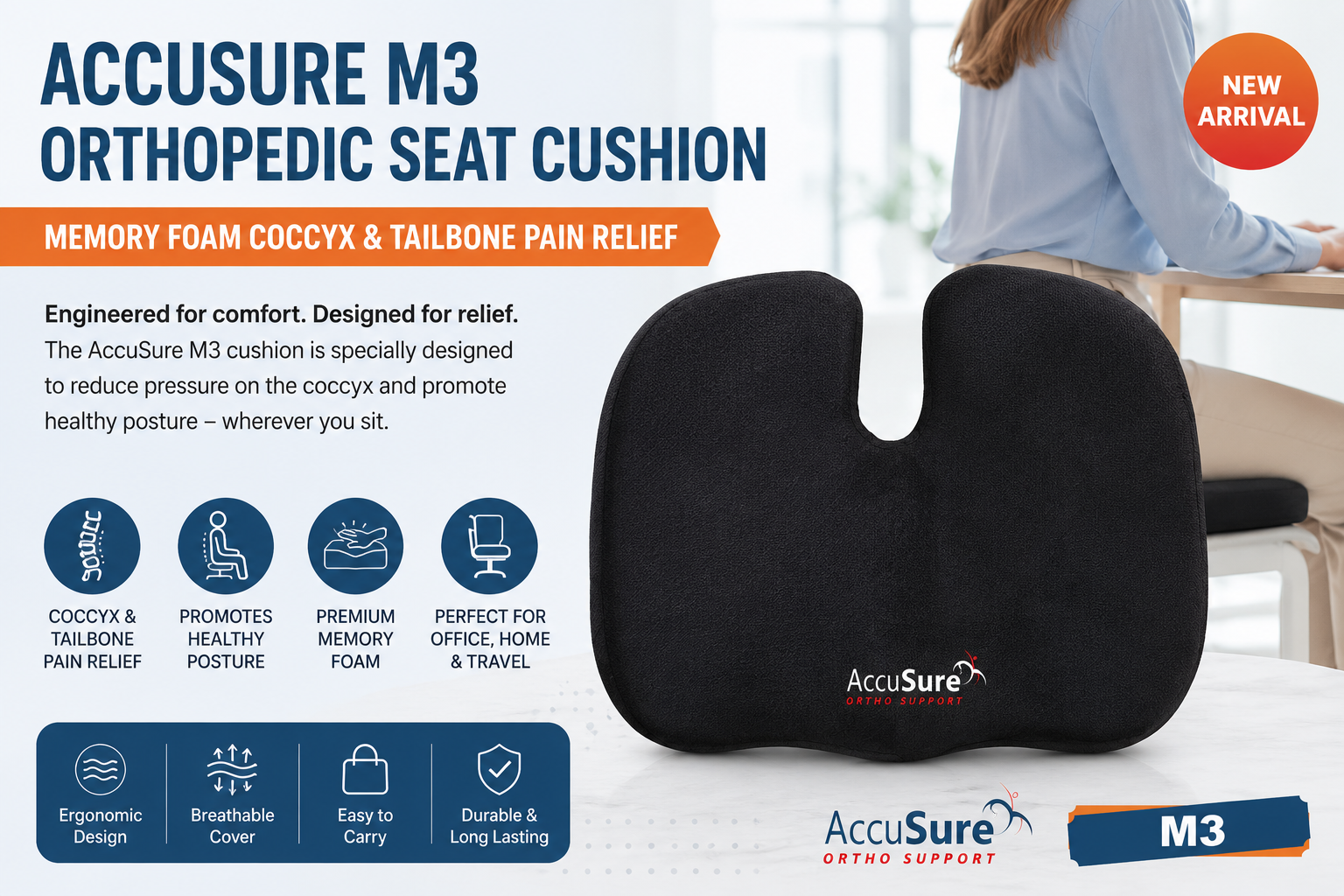
At Alchemy Home Care, we understand that comfort isn’t a luxury—it’s a necessity for your health and well-being. That’s why we offer the AccuSure M3 Orthopedic Seat Cushion, a premium memory foam solution engineered for all-day comfort. In this comprehensive guide, we’ll explore everything you need to know about orthopedic seat cushions, from how they work to who benefits most, and why investing in one could be the best decision you make for your body this year.
What Is an Orthopedic Seat Cushion and How Does It Work?
An orthopedic seat cushion is a specially designed seating aid engineered to provide therapeutic support and pressure relief. Unlike standard cushions that simply add padding, orthopedic cushions are built with medical-grade materials and ergonomic contours that address specific biomechanical issues.
The Science Behind the Design
The human body wasn’t designed to sit for eight, ten, or twelve hours a day. When you sit on a flat, hard surface, your body weight concentrates on two primary areas: your ischial tuberosities (sit bones) and your coccyx (tailbone). This concentrated pressure can:
- Compress spinal discs
- Restrict blood flow to soft tissues
- Irritate the sciatic nerve
- Cause inflammation in the coccyx area
- Lead to muscle imbalances and poor posture
An orthopedic seat cushion works by redistributing this pressure more evenly across your entire seating surface. The signature U-shaped or wedge-shaped cutout suspends your tailbone above the cushion surface, eliminating direct pressure on this sensitive area. Meanwhile, high-density memory foam conforms to your unique body shape, providing customized support that maintains its structure throughout the day.
Key Components of Quality Orthopedic Cushions
High-Density Memory Foam: This viscoelastic material responds to body heat and weight, molding to your contours while providing firm, supportive resistance. Unlike cheap polyurethane foam that flattens quickly, premium memory foam maintains its therapeutic properties for years.
Ergonomic Contouring: The strategic shape—whether U-cutout, wedge, or contoured surface—is designed based on anatomical research to promote proper pelvic alignment and spinal curvature.
Non-Slip Base: Rubberized or textured bottoms keep the cushion securely in place on office chairs, car seats, wheelchairs, and home furniture.
Breathable Cover: Moisture-wicking, ventilated fabric covers prevent heat buildup and maintain hygiene through easy removal and washing.
Who Needs an Orthopedic Seat Cushion?
The truth is, almost anyone who sits for extended periods can benefit from an orthopedic seat cushion. However, certain groups experience particularly transformative results:
Office Workers and Remote Professionals
If you spend 40+ hours a week at a desk, you’re at high risk for developing chronic sitting-related conditions. Office workers commonly experience:
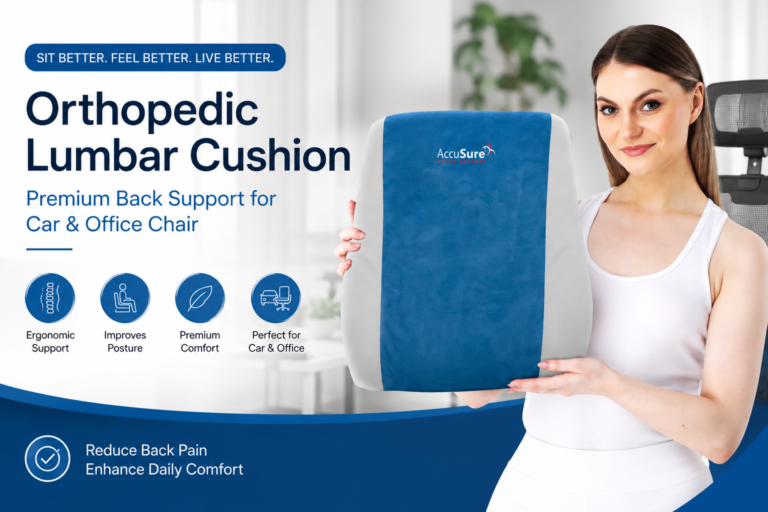
- Lower back strain from poor lumbar support
- Neck and shoulder tension from forward head posture
- Hip tightness from prolonged flexion
- Reduced circulation in the legs
An orthopedic seat cushion isn’t just for your vehicle—bringing one like the AccuSure M3 to the office can transform your workday comfort and long-term spinal health.
Drivers and Commuters
Long-haul truckers, delivery drivers, and daily commuters face unique challenges. Vehicle seats, even luxury ones, rarely provide adequate coccyx relief or pelvic support. Road vibrations compound the problem, leading to:
- Accelerated disc degeneration
- Chronic lower back pain
- Hip bursitis
- Sciatic nerve irritation
A portable orthopedic car seat cushion absorbs vibrations, maintains proper alignment, and makes even the longest drives more comfortable.
Individuals with Chronic Pain Conditions
If you’ve been diagnosed with any of the following conditions, an orthopedic seat cushion isn’t just helpful—it’s often recommended by healthcare providers:
Coccydynia (Tailbone Pain): Inflammation or injury to the coccyx makes sitting excruciating. The U-cutout design completely offloads pressure from this area.
Sciatica: Compression or irritation of the sciatic nerve causes shooting pain down the leg. Proper pelvic alignment reduces nerve compression.
Herniated or Bulging Discs: Supporting proper spinal curvature reduces pressure on compromised discs.
Piriformis Syndrome: Tightness in the piriformis muscle can compress the sciatic nerve. A cushion that promotes neutral hip positioning helps alleviate this.
Post-Surgical Recovery: After procedures like hemorrhoidectomy, coccyx surgery, or hip replacement, specialized seating support is crucial for healing.
Pregnant Women
Pregnancy shifts your center of gravity and relaxes ligaments, often leading to pelvic girdle pain and lower back strain. An orthopedic seat cushion provides the extra support needed during this transformative time.
Seniors and Wheelchair Users
For those who spend significant time in wheelchairs or have limited mobility, pressure relief isn’t just about comfort—it’s about preventing pressure ulcers and maintaining circulation.
Students and Gamers
Young adults who spend hours studying or gaming are increasingly experiencing “tech neck” and lower back issues. Early intervention with proper seating support can prevent chronic problems later in life.
The Top Benefits of Using an Orthopedic Seat Cushion
Investing in a quality orthopedic seat cushion delivers benefits that extend far beyond immediate comfort:
1. Immediate Pain Relief
Many users report noticeable reduction in tailbone, lower back, and hip pain within the first few days of use. By eliminating pressure points and supporting proper alignment, the cushion allows inflamed tissues to heal.
2. Improved Posture
Poor posture isn’t just unsightly—it’s a primary contributor to chronic pain. An orthopedic seat cushion encourages a neutral pelvic tilt, which naturally restores the spine’s natural S-curve. When your pelvis is properly positioned, your shoulders roll back, your chest opens, and your head aligns over your spine rather than jutting forward.
3. Enhanced Circulation
Prolonged sitting compresses blood vessels in the legs and buttocks, leading to swelling, numbness, and increased risk of deep vein thrombosis (DVT). By redistributing pressure and reducing compression, orthopedic cushions promote healthier blood flow throughout your lower body.
4. Increased Productivity
Discomfort is distracting. When you’re constantly shifting, adjusting, or dealing with pain, your focus suffers. A comfortable, supportive seating solution allows you to concentrate on work, driving, or leisure activities without interruption.
5. Prevention of Long-Term Damage
Perhaps most importantly, orthopedic seat cushions are preventive healthcare tools. By maintaining proper alignment and reducing abnormal stress on your spine, discs, and joints, you’re investing in your future mobility and pain-free living.
6. Versatility Across Environments
One high-quality cushion works across multiple settings—your office chair, car seat, home dining chair, stadium seat, or even airplane seat. This portability means consistent support wherever life takes you.
How to Choose the Right Orthopedic Seat Cushion
Not all orthopedic seat cushions are created equal. Here’s what to consider when making your selection:
Material Quality
High-Density Memory Foam is the gold standard. Look for foam with a density of at least 50 kg/m³. This ensures the cushion won’t bottom out or lose shape after a few weeks of use. Avoid cheap polyurethane foam or gel-only cushions that lack structural support.
Size and Dimensions
Standard adult cushions typically measure 17-18 inches wide and 13-14 inches deep. Ensure the cushion fits your seating surface without overhanging (which causes instability) or being too small (which reduces effectiveness).
Cutout Design
U-Shaped Cutout: Best for tailbone pain, coccydynia, and post-surgical recovery. The open groove completely suspends the coccyx.
Wedge Design: Ideal for posture correction and pelvic tilt issues. The angled surface encourages proper spinal alignment.
Contoured Surface: Provides general pressure relief and is excellent for all-day comfort without specific medical conditions.
Cover Features
Look for:
- Breathable mesh or 3D air fabric
- Machine-washable covers
- Non-slip rubberized bottom
- Hidden zipper for easy removal
Firmness Level
The cushion should feel firm enough to provide support but soft enough to conform comfortably. High-density memory foam achieves this balance—it feels supportive when you first sit down but gradually molds to your shape.
Portability
If you plan to move the cushion between locations, consider weight and whether it comes with a carrying handle or bag.
💡 Pro Tip: The AccuSure M3 Orthopedic Seat Cushion checks every box: premium 50+ kg/m³ memory foam, ergonomic U-cutout design, breathable washable cover, and universal fit for office, car, and home use.
Proper Usage: Getting the Most from Your Cushion
Simply placing a cushion on your chair isn’t enough—you need to use it correctly to experience maximum benefits:
Step 1: Position Correctly
Place the cushion on your seat with the cutout or wedge facing forward. The back edge should align with the back of your chair.
Step 2: Sit Fully Back
Position yourself so your tailbone aligns with the U-cutout or the elevated portion of a wedge cushion. Your sit bones should rest on the supportive foam, not on hard chair surfaces.
Step 3: Adjust Your Chair Height
Your feet should rest flat on the floor with knees forming a 90-degree angle. If your chair is too high or low, the cushion’s effectiveness diminishes.
Step 4: Maintain Movement
Even the best orthopedic seat cushion isn’t an excuse to sit motionless for hours. Stand, stretch, and walk every 30-45 minutes. The cushion supports healthy sitting; it doesn’t replace the need for movement.
Step 5: Give It Time
Your body may need 3-7 days to adjust to proper alignment. Some users experience mild discomfort initially as muscles adapt to correct posture. This is normal and typically resolves quickly.
Caring for Your Orthopedic Seat Cushion
Proper maintenance extends the life of your cushion and ensures ongoing hygiene:
Cleaning the Cover
Remove the cover weekly (or more frequently if needed) and machine wash on gentle cycle with cold water. Air dry or tumble dry on low heat. Never use bleach or fabric softener, as these degrade the fabric’s moisture-wicking properties.
Cleaning the Foam Core
Never submerge memory foam in water. Spot clean with a damp cloth and mild detergent. Allow to air dry completely before replacing the cover.
Storage
When not in use, store the cushion in a cool, dry place away from direct sunlight. Avoid compressing it for extended periods, as this can affect the foam’s ability to rebound.
Replacement Timeline
With proper care, a high-quality orthopedic seat cushion should last 2-3 years. Replace it when you notice:
- Permanent indentations that don’t rebound
- Reduced pain relief or support
- Visible wear or tearing
- Unpleasant odors that don’t wash out
Common Myths About Orthopedic Seat Cushions
Myth 1: “Any cushion will work.”
Reality: Standard pillows or decorative cushions lack the ergonomic design and density needed for therapeutic benefit. They may provide temporary comfort but won’t address underlying postural or pain issues.
Myth 2: “Orthopedic cushions are only for people with injuries.”
Reality: Prevention is far easier than treatment. Using an orthopedic seat cushion before pain develops can prevent chronic conditions from forming.
Myth 3: “They’re too firm to be comfortable.”
Reality: Quality orthopedic cushions balance support with comfort. The memory foam conforms to your body while maintaining structural integrity—it’s not about hardness, it’s about proper support.
Myth 4: “One size fits all.”
Reality: While standard sizes work for most adults, proper fit matters. A cushion that’s too small or too large won’t provide optimal support.
Myth 5: “They’re expensive.”
Reality: Compared to chiropractic visits, physical therapy, pain medications, or lost productivity from discomfort, a quality orthopedic seat cushion is an incredibly cost-effective investment in your health.
Frequently Asked Questions
Q: How long does it take to feel relief from tailbone pain?
A: Many users experience immediate comfort, but significant pain reduction typically occurs within 3-7 days of consistent use. Chronic conditions may take 2-3 weeks to show substantial improvement.
Q: Can I use an orthopedic seat cushion in my car?
A: Absolutely! An orthopedic car seat cushion is one of the most popular uses. The non-slip base keeps it secure during driving, and it’s particularly beneficial for long commutes or road trips.
Q: Will this help with hemorrhoids?
A: Yes. By eliminating direct pressure on the rectal area and improving circulation, orthopedic cushions can provide significant relief during hemorrhoid flare-ups and post-surgical recovery.
Q: Is memory foam better than gel?
A: Memory foam provides superior structural support and postural alignment. Gel cushions may feel cooler initially but often lack the firm support needed for therapeutic benefit. Some premium cushions combine both materials.
Q: Can children use orthopedic seat cushions?
A: While primarily designed for adults, teenagers who spend significant time studying or gaming can benefit. Ensure the cushion size is appropriate for their body dimensions.
Q: Will it fit on my office chair?
A: Standard orthopedic seat cushions fit most office chairs, dining chairs, car seats, and wheelchairs. Measure your seat to confirm—it should be at least 16 inches wide for optimal fit.
Q: How do I know if I need a wedge or U-cutout cushion?
A: If you have specific tailbone pain, coccyx injury, or post-surgical needs, choose a U-cutout design. For general posture improvement, lower back pain, or pelvic alignment, a wedge or contoured design works well. When in doubt, the U-cutout design offers the most versatile relief.
Ready to Transform Your Sitting Experience?
Living with sitting-related pain isn’t inevitable. Whether you’re battling tailbone discomfort, sciatica, lower back strain, or simply want to prevent future problems, an orthopedic seat cushion is a proven, non-invasive solution that delivers real results.
At Alchemy Home Care, we’ve carefully selected the AccuSure M3 Orthopedic Seat Cushion because it meets every criterion for therapeutic excellence:
- ✅ Premium high-density memory foam (50+ kg/m³)
- ✅ Ergonomic U-cutout design for coccyx relief
- ✅ Breathable, machine-washable cover
- ✅ Non-slip base for office, car & home use
- ✅ Lightweight & portable for on-the-go comfort
Your body deserves support that goes beyond basic comfort. Don’t wait for pain to become chronic before taking action. Invest in your long-term health, productivity, and quality of life today.
👉 Shop the AccuSure M3 Orthopedic Seat Cushion now at AlchemyHomeCare.com and experience the difference proper support makes.